Haematology · Delhi NCR
One centre for every haematology need.
From a first clinical history to a complete diagnostic workup, you can bring the case and your clinical question to HaemoVis and talk it through with our superspecialists.
Describe the case by its clinical findings only, with no patient name, date of birth, address or contact details; if we need anything else, we will tell you how to send it.
How HaemoVis works on a case
The whole workup in view
We bring morphology, flow cytometry, cytogenetics and molecular findings together into one diagnosis, and our team interprets findings across all four.
Faster turnaround time
Complex haematology workups take time to come together. We aim to bring down the turnaround clinicians have come to expect for advanced haematology work.
Current literature and guidelines
We follow current classifications and guidelines, from WHO and ICC to ASH and BSH, wherever they apply.
Our medical team
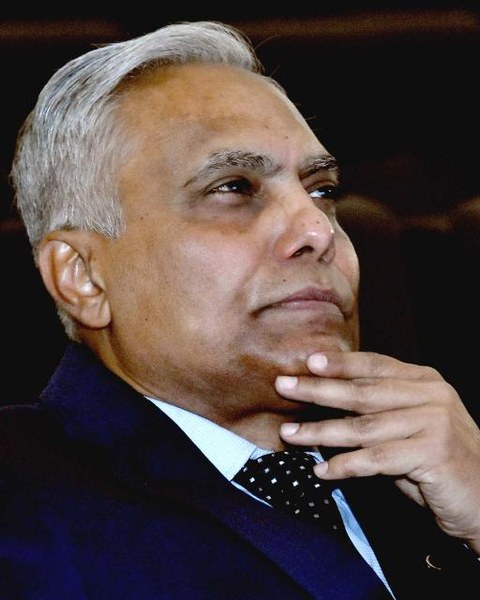
Meet the team- Brig. (Retd) Dr Tathagata ChatterjeeSenior Consultant HaematopathologistDM (AIIMS Delhi), MD, FNAMS, FUICC, FISHTM36 years' experience
- Dr Manali SatizaConsultant HaematopathologistDM (AIIMS Delhi), MD, PDF8 years' experience

Academics
Explore AcademicsWe teach haematology case by case, from the smear to the integrated report.
Certificate course
Certificate course in diagnostic haematology
Eight weeks online, admission by selection
Next Haematology Rounds
16 January 2027
Saturday, 6:00 pm IST
What we handle
Bring us any haematology question, from a single smear to a case history that needs the full workup.
Conditions, from benign to malignant · Draft list, pending clinical review
Red cell
- Anaemias
- Haemoglobinopathies and thalassaemia
- Marrow failure, including aplastic anaemia and PNH
- And more
White cell
- Benign and reactive changes
- Acute leukaemias
- Chronic leukaemias and lymphomas in blood or marrow
- MDS/MPN
- Plasma cell disorders
- And more
Platelet
- Thrombocytopenias, including ITP
- Thrombocytosis, including ET
- And more
Coagulation
- Bleeding disorders, including haemophilia and von Willebrand disease
- And more
Methods we interpret
- CBC interpretation
- Peripheral smear and bone marrow morphology
- Flow cytometry
- Cytogenetics and FISH
- Molecular testing
- Haemoglobin HPLC
- Coagulation workup
- And more
If a case sits outside these lists, bring it to a call anyway.
How a case moves
You send the case and your clinical question by email or bring it to a call, and our team talks you through how we would approach it.
Fifteen minutes on the cases you see most
Bring a few cases you have already worked up, along with the ones that take your time or leave the city, and we will tell you how we would approach them and what a standing arrangement with HaemoVis looks like.
Book the callOr send a case for discussion by email and our team will reply.
Describe the case by its clinical findings only, with no patient name, date of birth, address or contact details; if we need anything else, we will tell you how to send it.